


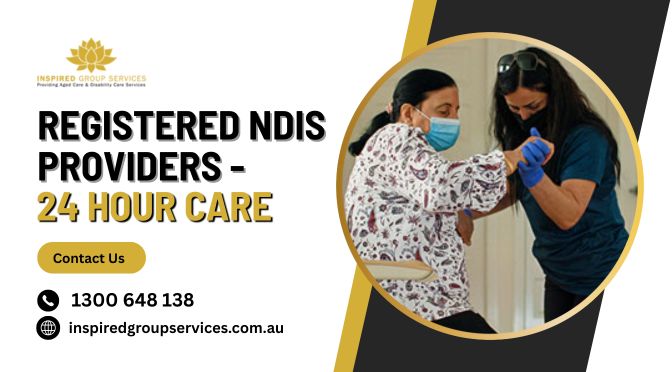
Registered NDIS providers in Sydney and its suburbs as anywhere else play a crucial role in providing terminally sick participants with comprehensive, respectful, and focused non-clinical support, even while clinical palliative care is financed by healthcare systems.
What Are The Key Responsibilities?
In‑Home Nursing & Personal Care
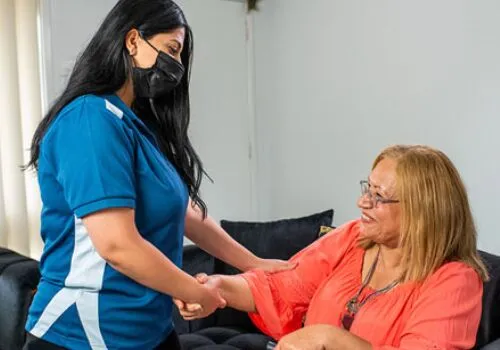
In order to maintain comfort and dignity as health declines, providers offer personal care, complicated care, and in-home nursing. For participants with terminal illnesses, NDIS providers in Bankstown provide emotional support, medication reminders, mobility aid, and personal hygiene care.
Post‑Hospital & Continuity Support
The registered nurses and support staff from NDIS service providers securely reintegrate participants into their homes following hospital discharge, bridging the gap between acute clinical care and everyday life.
Psychosocial, Emotional & Social Support
Support staff or nurses from from NDIS registered providers in West Hoxton or other Sydney suburbs provide companionship or grief-informed discourse, as well as social, emotional, and spiritual support to participants:
-
Adaptable and Participant-Based Service Provision
Their strategy places a strong emphasis on participant-led, individualised care plans that are adapted to each person’s preferences and habits.
-
Cooperation and Cultural Awareness
Their inclusive service strategy across many locations demonstrates how they treat people from different backgrounds with respect and make sure their cultural demands are satisfied.

Some Case Studies
Case Study 1 — In‑Home Nursing (Joan, NSW)
Joan, who had progressive motor neurone disease and was in her late 70s, decided to stay at home. We assigned a reliable nurse staff that oversaw frequent nursing visits, symptom management, repositioning, and adapted meals. Joan was able to stay at home during her last months because of attentive care and emotional support, which greatly lessened the burden associated with being in the hospital.
Outcome — High levels of comfort and less unscheduled hospital stays were the results.
Case Study 2 — Palliative & Post‑Hospital Support
Following a hospital stay and a diagnosis of terminal cancer, Marcus required daily care and emotional support. Post-hospital follow-up, daily personal care, companionship, and medication management were all included in the care plan that the disability services & support organisation created. The service was “compassionate and consistent,” according to his family.
Outcome: Seamless transition home and improved family well being.
Support From A Registered NDIS Service — Why Does This Matter?
Communication hurdles, system fragmentation, and a lack of continuity across health, elder care, and disability services are common problems for people with disabilities and terminal diseases. By providing dependable, participant-centered support during periods of significant transition, local NDIS providers Bonnyrigg like elsewhere near Sydney helps close this gap.
FAQs
Is palliative care funded by the NDIS?
The NDIS provides funding for allied personal supports, including nursing, personal care, and daily living help, but it does directly fund clinical palliative care.
How do medical teams coordinate care?
In order to prevent duplication and make sure that support plans enhance clinical treatment, providers interact with general practitioners, palliative teams, and hospitals.
Are your services sensitive to cultural differences?
Indeed. Inspired Group prioritises inclusivity and accommodates its team members’ linguistic, cultural, and religious needs.
If needs change over time, can care plans be adjusted?
Of course! Our supports are flexible and adaptable. We modify the care plans in response to changes in a participant’s preferences or state of health and the change thereof over the passage of time.
Final Words
If you or a loved one is facing a life-limiting illness and want dignified, person-centred disability support, we’d love to help. Reach out today to book a free consultation with Inspired Group Services and discover the palliative support plan that we design. Call us @ 1300 648 138 to set up a consultation session with our experts to discuss your support and care needs.

