


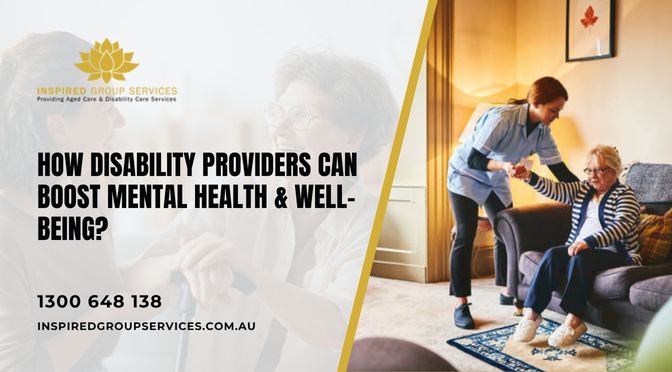
People with disabilities may face more challenges with isolation, anxiety, and low mood. Supporting mental health builds confidence, independence, and belonging. The expert disability service provider in Liverpool creates a caring environment and helps the eligible participants live happier, more meaningful lives.

1. Build a Culture of Well-Being
A supportive environment starts with communication. The expert disability service providers encourage open conversations about feelings and provide mental-health training for staff.
-
They also use positive language like “capability” and “inclusion.”
-
The professionals also offer regular well-being check-ins for both staff and the eligible participants.
A healthy culture helps everyone feel safe and valued.
2. Promote Social and Community Participation
Social connection is vital for well-being. The disability service provider in Miller:
-
Support the eligible participants to join local clubs, hobby groups or volunteering.
-
Organise social activities and peer meet-ups.
Being active in the community reduces loneliness and builds self-esteem.
3. Encourage Skill Building and Resilience
Confidence grows when people develop new abilities. A Cabramatta disability service provider:
-
Run workshops for life skills like communication or budgeting.
-
Offer personalised learning plans that match participant goals.
This approach boosts independence and mental health at the same time.
4. Combine Physical and Mental Health
-
Physical fitness and emotional balance go hand in hand. Activities like swimming, yoga, or walking can lift the mood.
-
Liverpool disability service provider also offers healthy eating tips and relaxation exercises.
When the eligible participants feel physically stronger, their confidence and happiness improve, too.
5. Collaborate with Mental Health Experts
No disability service provider in Cabramatta needs to do it all alone. They partner with counsellors, psychologists, and mental-health services to:
-
Offer referrals when needed.
-
Invite professionals to run mental-health awareness sessions.
This teamwork gives the eligible participants complete, holistic support.
An expert disability service provider in Liverpool, Miller, or Cabramatta, focuses on mental health and well-being. By encouraging social connection, skill development, and collaboration with specialists,they help the NDIS participants live more independent, empowered, and fulfilling lives.
Your support today can change lives for the better tomorrow.

FAQs: Disability Providers & Mental Well-Being
Q1. What is the role of a disability provider in supporting mental health?
They create safe, inclusive environments and provide services that nurture emotional and psychological well-being.
Q2. Why is mental health important for people with disabilities?
Good mental health promotes confidence, independence, and overall life satisfaction.
Q3. How can a disability service provider in Liverpool improve participants’ wellbeing?
By offering social inclusion programs, skill-building workshops, and emotional support sessions.
Q4. What are simple ways to support mental health daily?
Encourage regular exercise, mindfulness, and meaningful social interactions.
Q5. How does community participation boost mental health?
It reduces loneliness, improves confidence, and gives people a sense of purpose.
Q6. What training should staff receive?
Staff should learn how to recognise signs of anxiety, stress, or depression and how to offer support.
Q7. How can providers measure mental well-being progress?
Through feedback surveys, behaviour observations, and regular goal reviews.
Q8. Is physical health linked to mental health?
Yes. Physical activity and healthy habits improve mood and reduce stress.
Q9. How can families be involved in supporting wellbeing?
Through open communication, participation in activities, and emotional encouragement.
Q10. What if a participant shows signs of mental distress?
Act promptly. Provide emotional support and refer to qualified mental-health professionals.
Q11. Can group activities improve well-being?
Absolutely. Group sessions promote belonging and social confidence.
Q12. What role does the NDIS play in mental health support?
NDIS funds support that help participants achieve better mental-health outcomes and community participation.
Q13. How can a disability service provider in Miller collaborate with mental-health services?
By creating referral pathways and partnering with local counsellors or support networks.
Q14. What are the long-term benefits of wellbeing programs?
Improved independence, resilience, and a stronger sense of purpose for the eligible participants.
Q15. How can a disability service provider in Cabramatta start improving mental well-being?
Begin by assessing participant needs, training staff, and introducing small wellness initiatives like social clubs or relaxation workshops.
Inspired Group Services is your premier destination if you are looking for experts from a renowned disability services & support organisation. Our team is experienced, trained, and specialise in offering top-notch service to the eligible participants. As one of the best disability service providers in Miller, we have always been successful in helping those whom we serve to achieve their goals and live peacefully. Feel free to give us a Call Now to book your appointment for further discussion.

